
For lots of local rides, Suica makes life simpler. Still, having credit on the card doesn't mean every train is covered. It helps to know the difference between a regular local journey and a service that needs another ticket.
The basics in three points
- Your IC card: On local routes that take IC, tap your own card in and out.
- Additional ticket: Limited express trains may need one. Check the particular service before you get on.
- At the gate: Card not accepted? Stop and find staff, and tell them where you started.
Two situations you will meet
A local line that takes IC
Tap in and out with your own card. The fare comes off when you exit. Make sure you have enough balance, and that both your start and end stations sit inside the right supported area.
Limited express or longer trips
Look up the extra ticket and seat rules for the train you want. JR East says limited express trains need an additional ticket. A standard Suica trip also can't run from one IC area into a separate one.
Common questions at the station
What should I note from my route search?
Write down the operator, line, direction, where you change and which exit to use. Once at the station, check the display board for your platform. A screenshot won't update if things change.
What if the gate won't accept my card?
Stop and find a staff member. Never use another person's card to get through. Let them know which station you started from so they can look into the journey.
Planning a longer ride
Pick train times that work around prayer times and stops with good access. If food options at the station are not verified, bring halal food with you. A label saying "fish bento" tells you nothing about the sauces or how it was prepared.
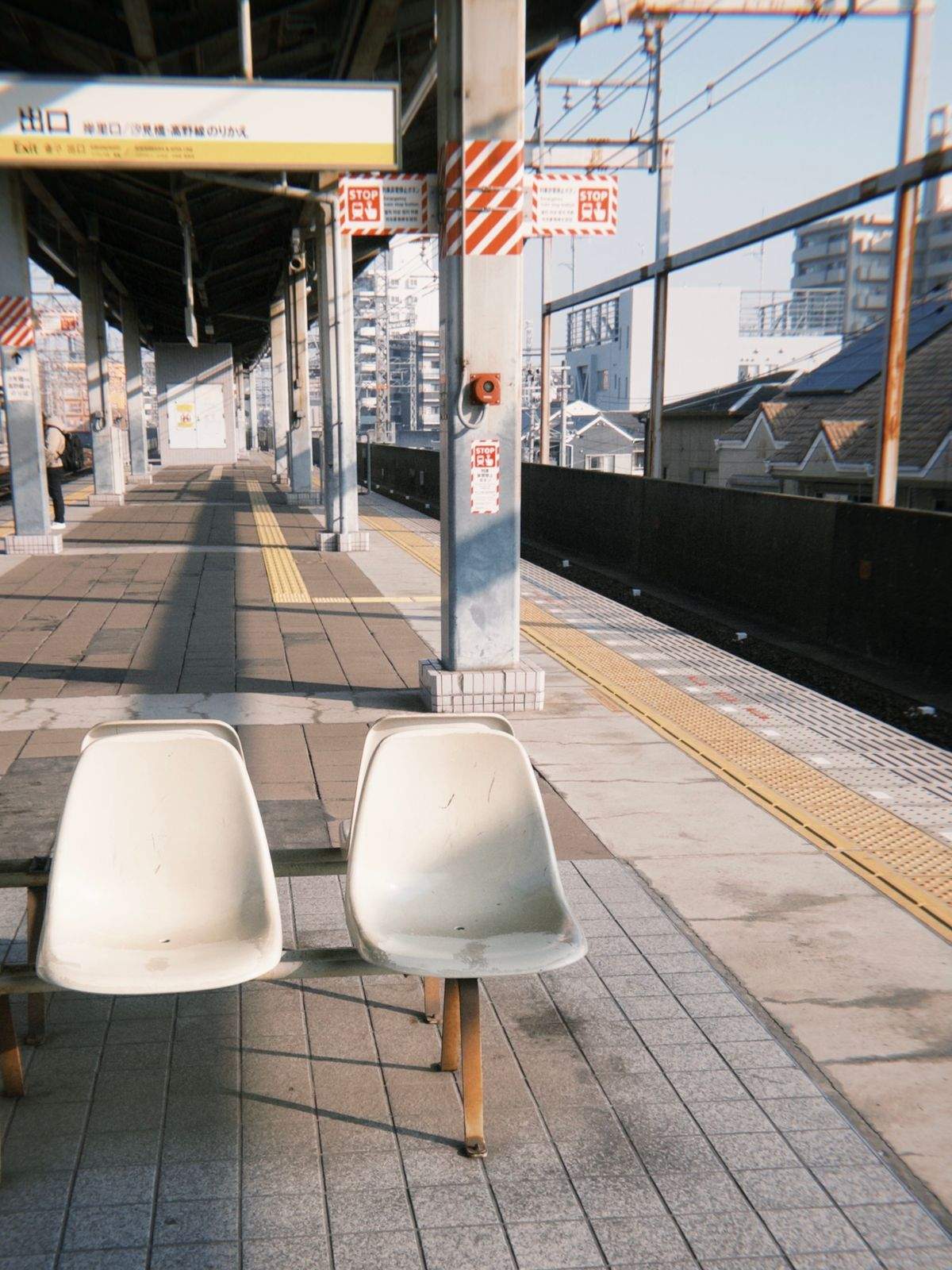
Cover photo: A Japanese railway platform, between journeys. Photo: 分 八 / Pexels.
Sources
- JR East · Suica usage and limits (checked 2026-10-07)
- JNTO · Muslim travel planning (checked 2026-10-07)